
Environmental Impact of Single-Use Bags | Why Reusable Bags Matter
The environmental impact of single-use bags is far bigger than most shoppers realise. These lightweight bags are convenient, but they create serious long-term problems for our planet. From carbon emissions to ocean pollution, disposable plastics affect wildlife, waterways, and waste systems — long after you’ve unpacked your groceries.
The Production Problem
Single-use bags are made from fossil fuels, which means they require drilling, refining, and transportation before they ever reach a checkout. This releases greenhouse gases, increases energy use, and contributes to climate change. A typical plastic bag is used for around 12 minutes, but can take hundreds of years to degrade – Plastic waste facts
Wildlife and Ocean Pollution
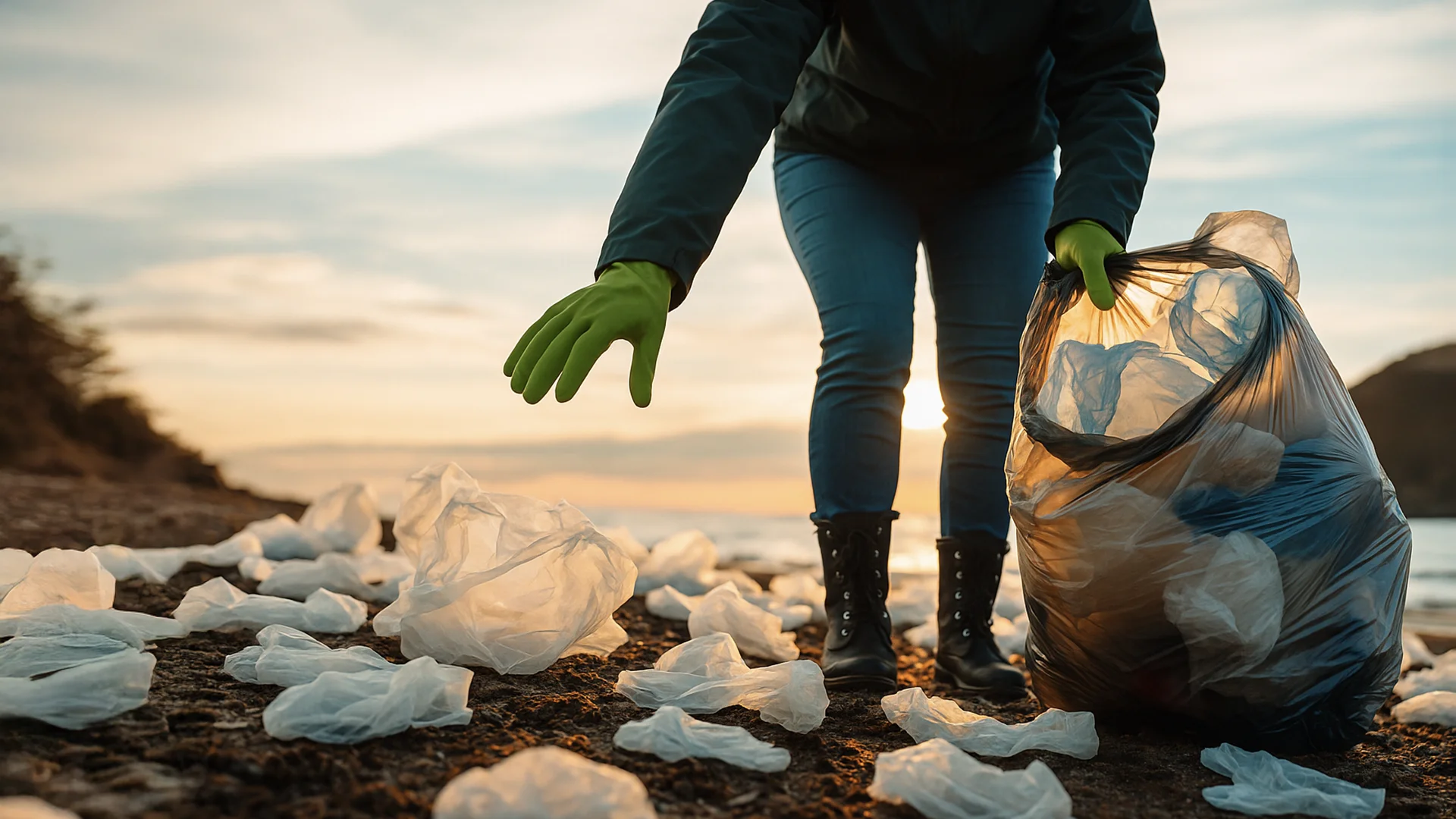
One of the biggest environmental impacts of single-use bags is the damage they cause to wildlife. Bags often end up in rivers, beaches, and oceans where animals mistake them for food or get tangled in them. Microplastics break down over time and enter the food chain, affecting fish, birds, and even humans through contaminated food and water.
Landfill Waste and Visual Pollution
Millions of single-use bags go straight to landfill every day. Because they don’t biodegrade, they simply pile up, taking up valuable space for decades. Even worse, many bags escape landfill sites and become litter — blocking drains, damaging ecosystems, and spoiling natural landscapes.
Reusable Bags Make a Real Difference
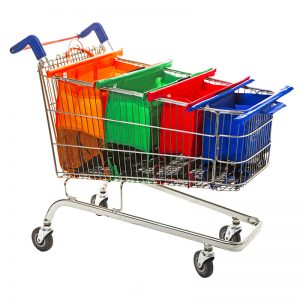
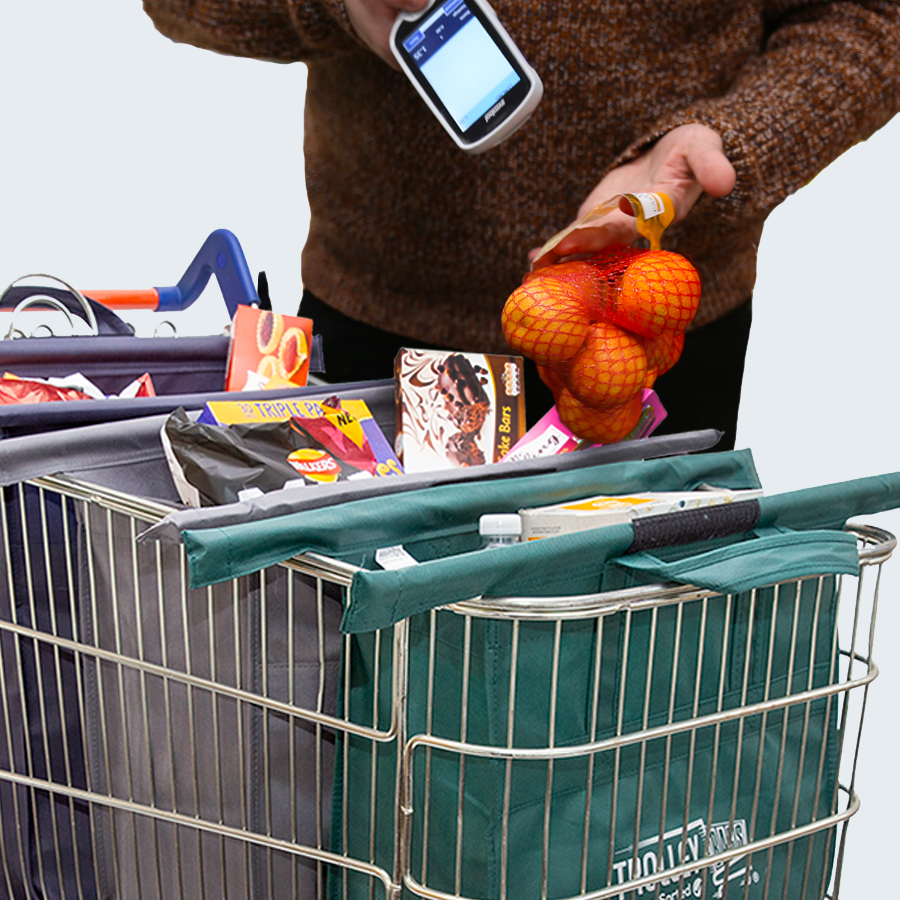
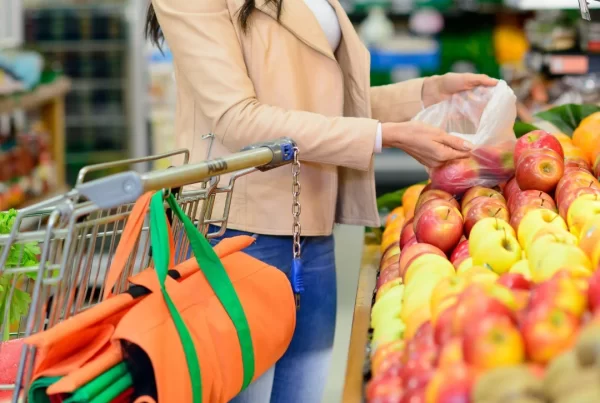
Switching to reusable bags is one of the simplest and most effective ways to reduce plastic waste. Every time a shopper chooses a reusable bag, they prevent dozens (or even hundreds) of single-use bags from entering the environment. Using systems like Trolley Bags makes it easy to stay organised, shop faster, and cut down plastic use at the same time.